

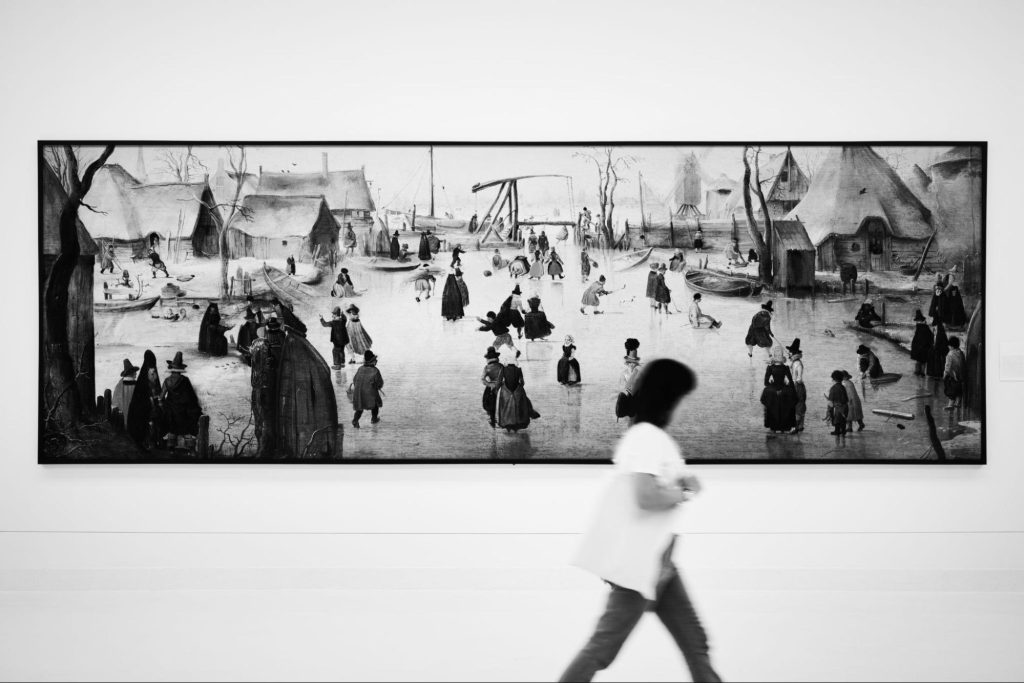
In an era marked by rapid technological advances and shifting cultural landscapes, the importance of art galleries remains undiminished, especially for future generations. Art galleries not only preserve the richness of our cultural heritage but also foster critical thinking, creativity, and connectivity in society. Their role in educating and inspiring upcoming generations is more crucial than ever. This blog post explores why maintaining and supporting art galleries is essential for nurturing the cultural and intellectual health of future societies.
Preserving Cultural Heritage
Art galleries are custodians of history and culture, housing works that span centuries and continents. For future generations, galleries serve as gateways to the past, offering insights into different eras, movements, and minds. By preserving such treasures, galleries provide a tangible connection to our ancestors and their worldviews, enabling a deeper understanding of our own cultural roots and identities.
Inspiring Creativity and Innovation
Creativity is not only about producing art; it is a skill that drives innovation across all sectors of society. Art galleries inspire creativity through exposure to diverse artistic expressions and philosophies. For young minds, regular interaction with art can ignite the imagination and foster a mindset that appreciates innovation and is comfortable with complexity and ambiguity—traits that are invaluable in the rapidly changing modern world.
Fostering Critical Thinking
Art challenges viewers to think critically and question their surroundings. Galleries encourage this engagement by presenting works that provoke thought and debate. For future generations, developing the ability to analyse and critique art can translate into enhanced skills in critical thinking and problem-solving in daily life and professional environments.
Building Empathy and Global Awareness
Art has the power to convey emotions and stories across cultural and temporal boundaries. Galleries expose visitors to global perspectives and human experiences, fostering empathy and understanding. This role will be increasingly important for future generations as they navigate a globalised world. Understanding diverse perspectives through art can lead to more compassionate and inclusive communities.
Creating Community and Dialogue
Art galleries are communal spaces where people gather, share ideas, and experience art together. They are venues for dialogue and connection, often hosting talks, workshops, and educational programs. For future generations, galleries can be vital centres for civic engagement and public discourse, promoting an active and informed citizenry.
Economic Benefits
Investing in art galleries can have significant economic benefits. They attract tourists, create jobs, and stimulate local economies. For future generations, vibrant cultural institutions can contribute to prosperous, attractive, and livable communities. Furthermore, the skills gained from arts education—such as creativity, communication, and critical thinking—are increasingly demanded in the job market.
Conclusion
The relevance of art galleries extends far beyond the aesthetic and historical value of the artworks they house. They are essential for fostering a society that values creativity, critical thinking, and cultural awareness. By supporting art galleries today, we are investing in the intellectual and cultural capital of future generations, ensuring that they have the tools to build a thoughtful, innovative, and cohesive society. Continuing to champion the role of art galleries is not just about preserving the past; it’s about enriching the future.